
Home / Sitework, concrete and utilities / Spanish Valley
Sitework, concrete and utilities · Spanish Valley, UT
Sitework and concrete in Spanish Valley, UT
Excavation, utilities and concrete in Spanish Valley. Spanish Valley is about 7 miles from our Moab office by US-191 south. Excavation, grading, wet utilities, footings, slabs and flatwork.
Sitework, concrete and utilities in Spanish Valley
The part nobody sees, done by people we employ
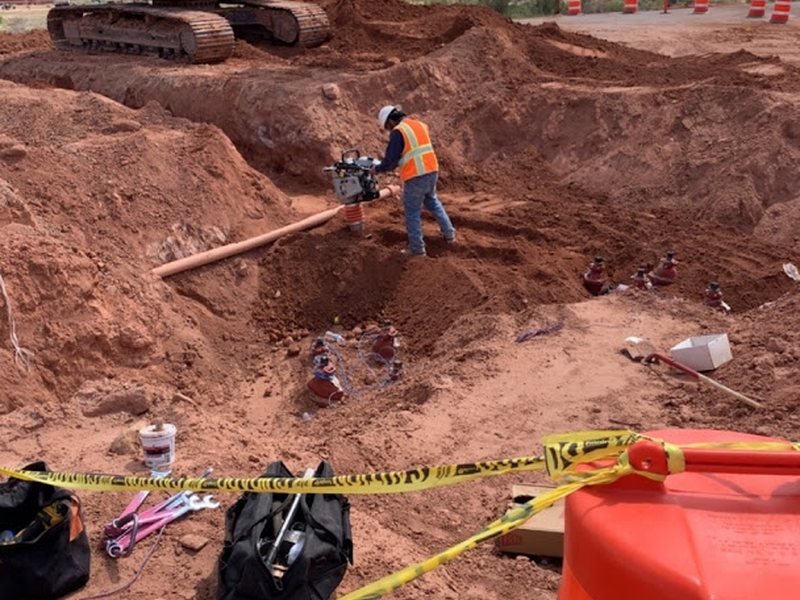
Sitework in Spanish Valley starts below the surface. The valley formed when a buried ridge of salt collapsed, and the Utah Geological Survey says the ground can hold gypsum, sulfates and soil that drops when it gets wet. Its detailed hazard map stops at the north end of the valley. Farther south, a separate state geologic map notes slow, ongoing sinking along Mill and Pack Creeks and more risk of slope movement at the valley edges.
TWS Construction has been based in Moab since 2011, and our concrete crew works for us, not for a sub. On Spanish Valley ground, that means the crew forming footings and pouring slabs works to the soils report and the floodplain rules on one schedule we control. We price excavation, utilities and concrete together, with a project manager on the numbers and a superintendent on the site.
Read more about sitework, concrete and utilities at TWS, or about building in Spanish Valley.
Local conditions
Soils, water and floodplain rules under a Spanish Valley site
Protect the concrete
The Utah Geological Survey reports gypsum-rich, corrosive soil and rock in the Moab and north Spanish Valley area, and it notes that sulfates can break down unprotected building materials. A soils report should set the concrete mix and how footings and slabs are protected. That decision belongs before the first pour.
Where gypsum is high, move water away
Where gypsum makes up more than 10 percent of the soil, the survey says it can dissolve and cause sinking and sinkholes. Its advice is to send surface water away from buildings, limit landscape watering and consider sealed pipes. That shapes the grading plan, the roof drain outlets and how utility joints are built.
Floodplain inspections
For Grand County parcels, a commercial site in the flood hazard area gets three floodplain inspections during the job, plus a final floodplain check before the Certificate of Occupancy. A surveyor's elevation certificate is needed before and after building, so pad heights and grading have to be right the first time.
Groundwater close to the surface
In the state hazard study that covers Moab and the north end of the valley, the survey mapped places where groundwater may sit less than 10 feet down, and it rates those areas high for flood hazard. Deep utility trenches and footings there should be planned for water.
What is included
What comes with the job
Excavation, grading and trenching
Site prep, building pads and utility trenches.
Water, sewer and storm
Wet utilities and the structures that go with them.
Footings, foundations and slabs
Formed and poured by our own concrete crews.
Flatwork, curb and ADA ramps
Sidewalks, approaches, curb and ramps built to the spec.
Finished work
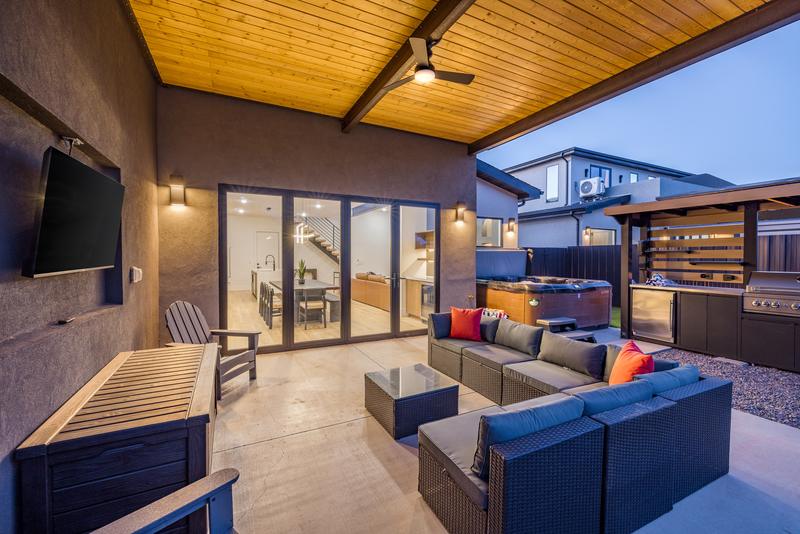
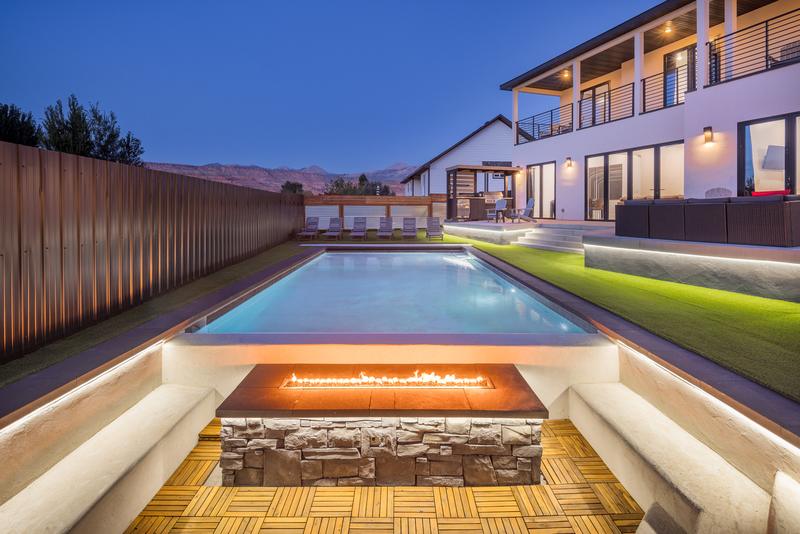
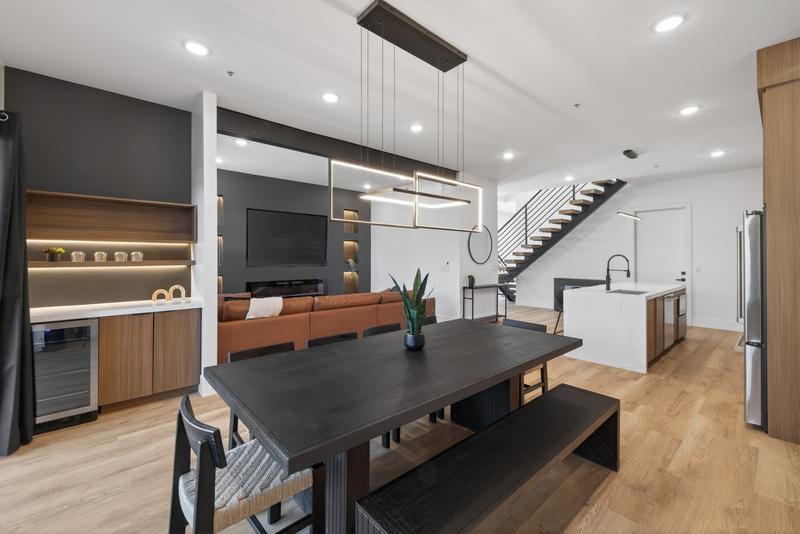
Recent TWS projects
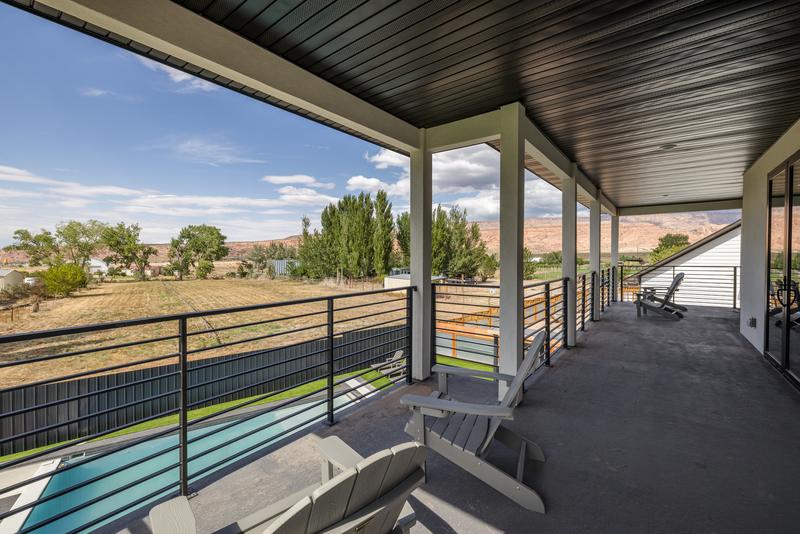
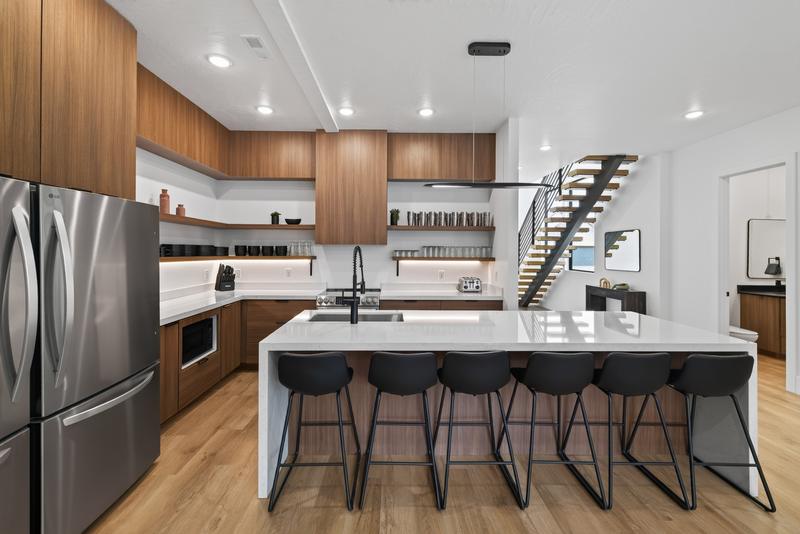
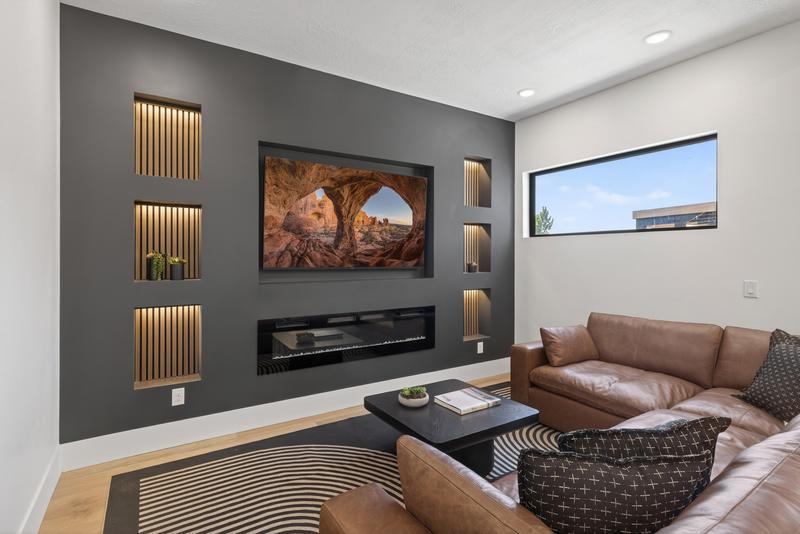
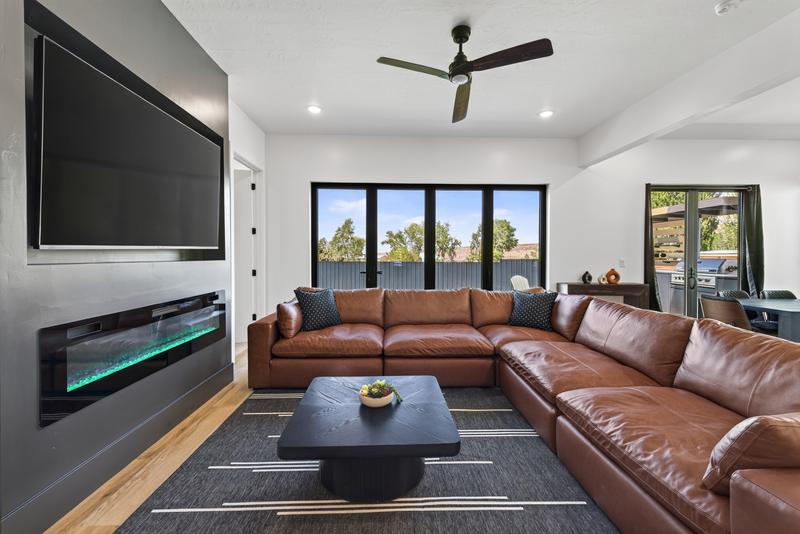
Questions
Sitework and concrete in Spanish Valley
Do we need a geotechnical report for a Spanish Valley site?
What frost depth do footings need in Spanish Valley?
Who provides power for temporary service on a Spanish Valley job?
Who issues the permit for this work in Spanish Valley?
More in Spanish Valley
Other work we do in Spanish Valley
Commercial construction in Spanish Valley
Commercial construction for owners, developers and businesses in Spanish Valley.
Public and municipal construction
Public construction for cities, counties and school districts in Southeastern Utah.
Multi-family construction in Spanish Valley
Duplexes, townhomes and mixed use in Spanish Valley.
Tenant improvements
Commercial tenant improvements and interior build outs in Southeastern Utah.
Preconstruction and estimating
Cost estimating, value engineering and schedules for commercial and public projects in Southeastern Utah.
Sitework and concrete in Spanish Valley?
Send the bid documents, a drawing, or a scope and a site address. You will get a straight answer on whether we are bidding.
Or call or text (435) 200-5570